Accounts Receivable: 6 Rules to Stop Losing Money on Unpaid Invoices
Finance3 min read
What accounts receivable are, why they're dangerous even for a profitable business, and 6 rules to speed up invoice payments and avoid losing clients' money.

A sale isn't finished until the money is in the account.
Unpaid invoices are the least visible way to lose money: the report looks fine, but there's nothing to pay suppliers and staff with.
One-minute calculation
- Gather all unpaid invoices.
- Group them by age: not yet due, up to 7 days, 7–30 days, over 30.
- Assign an owner to every overdue invoice.
- Set up reminders before and after the due date.
Why it's dangerous
- Money is "frozen" — you can't spend it on salaries and advertising.
- A cash gap appears.
- The older the debt, the harder it is to collect.
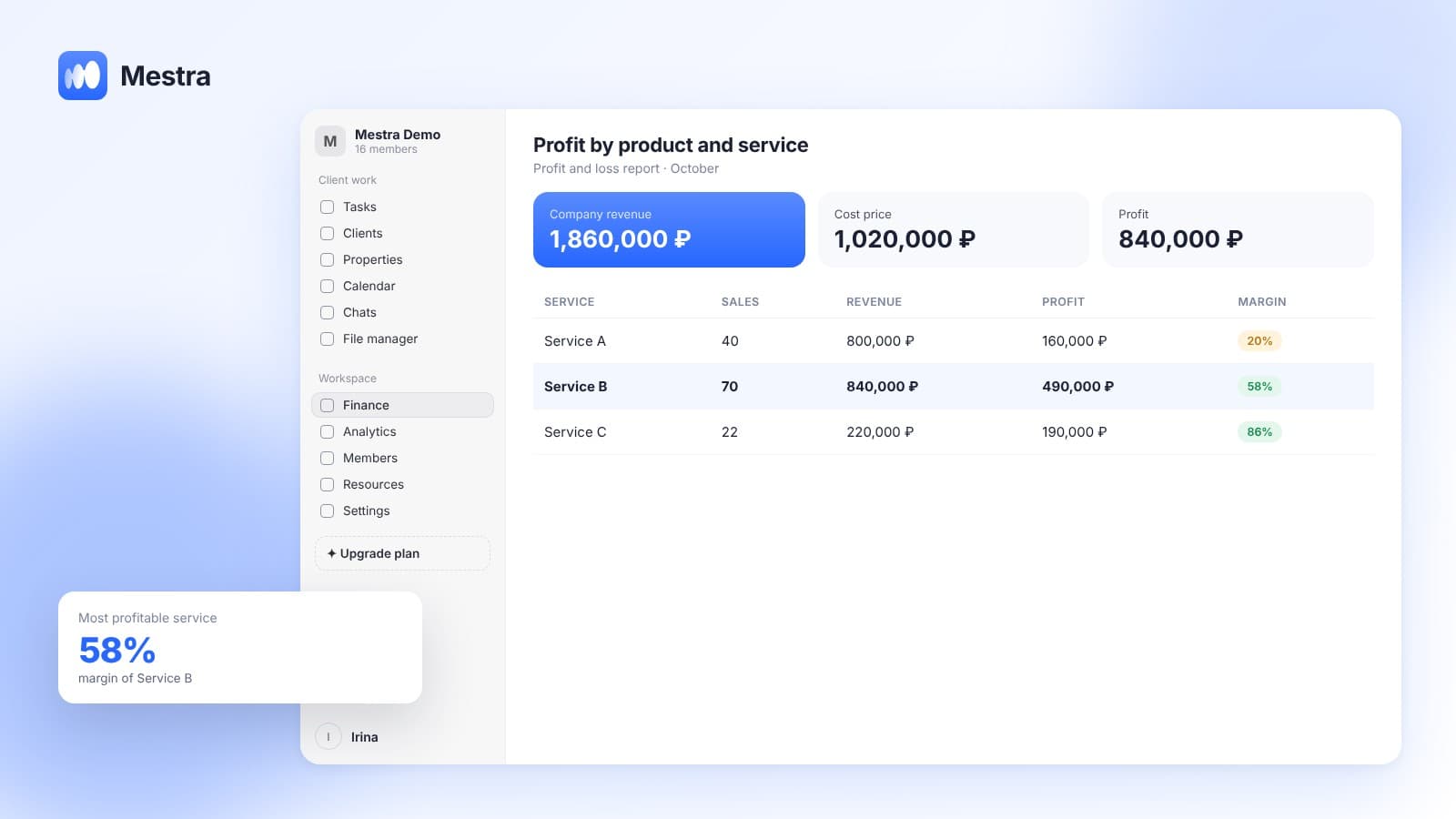
- Profit in the report is overstated — see profit on paper, no cash.
6 rules that speed up payment
- Invoice straight after agreement, in the same conversation, while the client is "warm".
- Prepayment, at least partial — especially for new clients.
- A clear payment deadline on the invoice and in the message.
- Scheduled reminders: a day before the deadline, on the day, 3 and 7 days after.
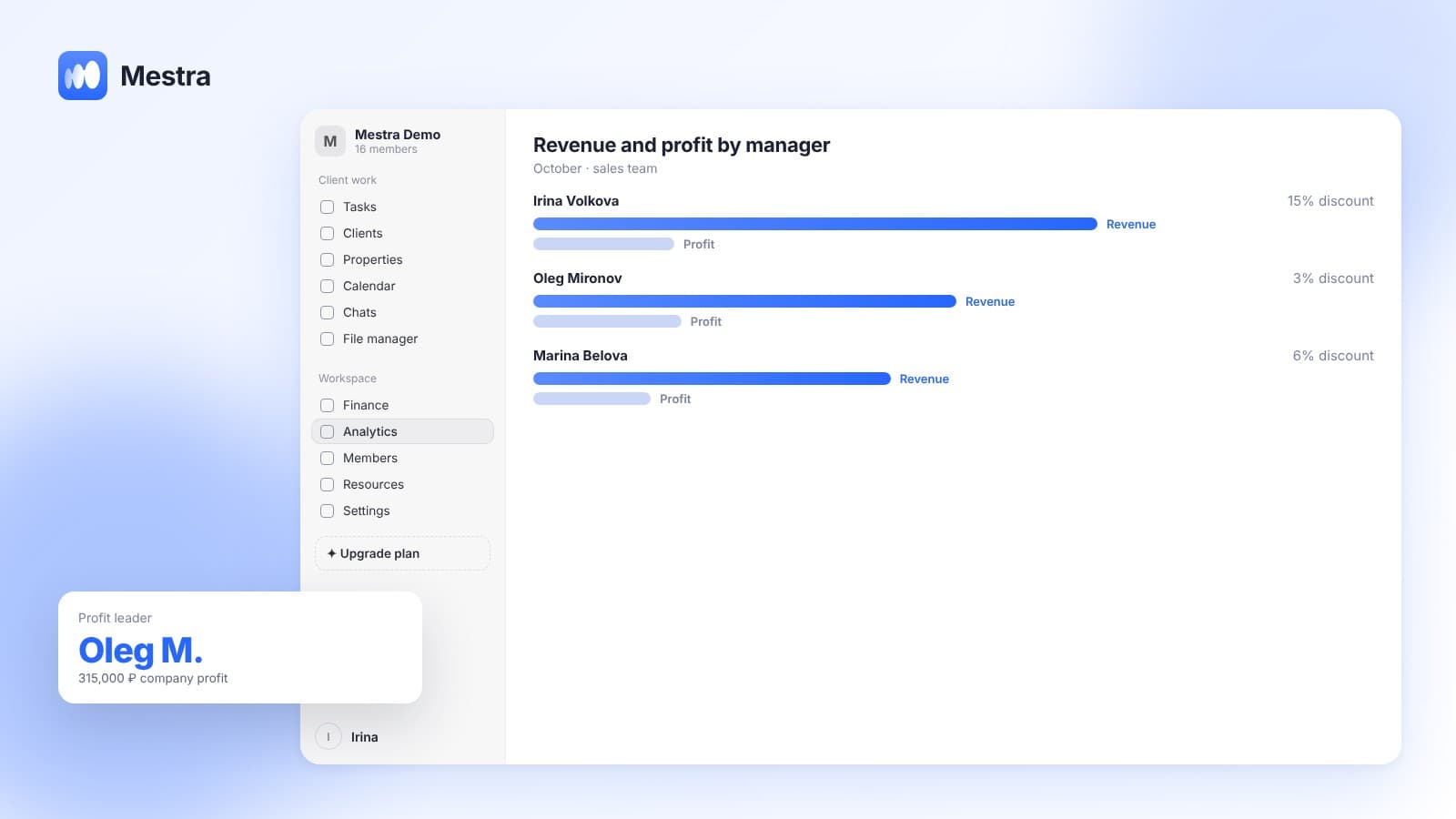
- An owner for every invoice — the manager who handled the deal.
- A weekly review of all unpaid invoices with the team lead.
Collecting receivables
If reminders don't work, collection goes step by step: a personal call, a written claim with the amount and deadline, then court. In contract disputes between companies, a pre-trial procedure is usually mandatory — the claim must be sent before going to the commercial (arbitration) court.
Example reminder
"Hello Anna! Just a reminder that invoice No. 145 for 48,000 ₽ is due tomorrow. If it's easier to pay in parts or you need a new invoice, just let me know and we'll sort it out."
Polite, specific and offering a solution — reminders like this work better than demands.

Delaying on debts is also legally risky: the general limitation period is three years (Article 196 of the Russian Civil Code). For late payment, you can claim interest for the use of someone else's money under Article 395 of the Civil Code, unless the contract provides otherwise.
How it works in Mestra
- Invoices from the client card — right from the conversation, with no separate program.
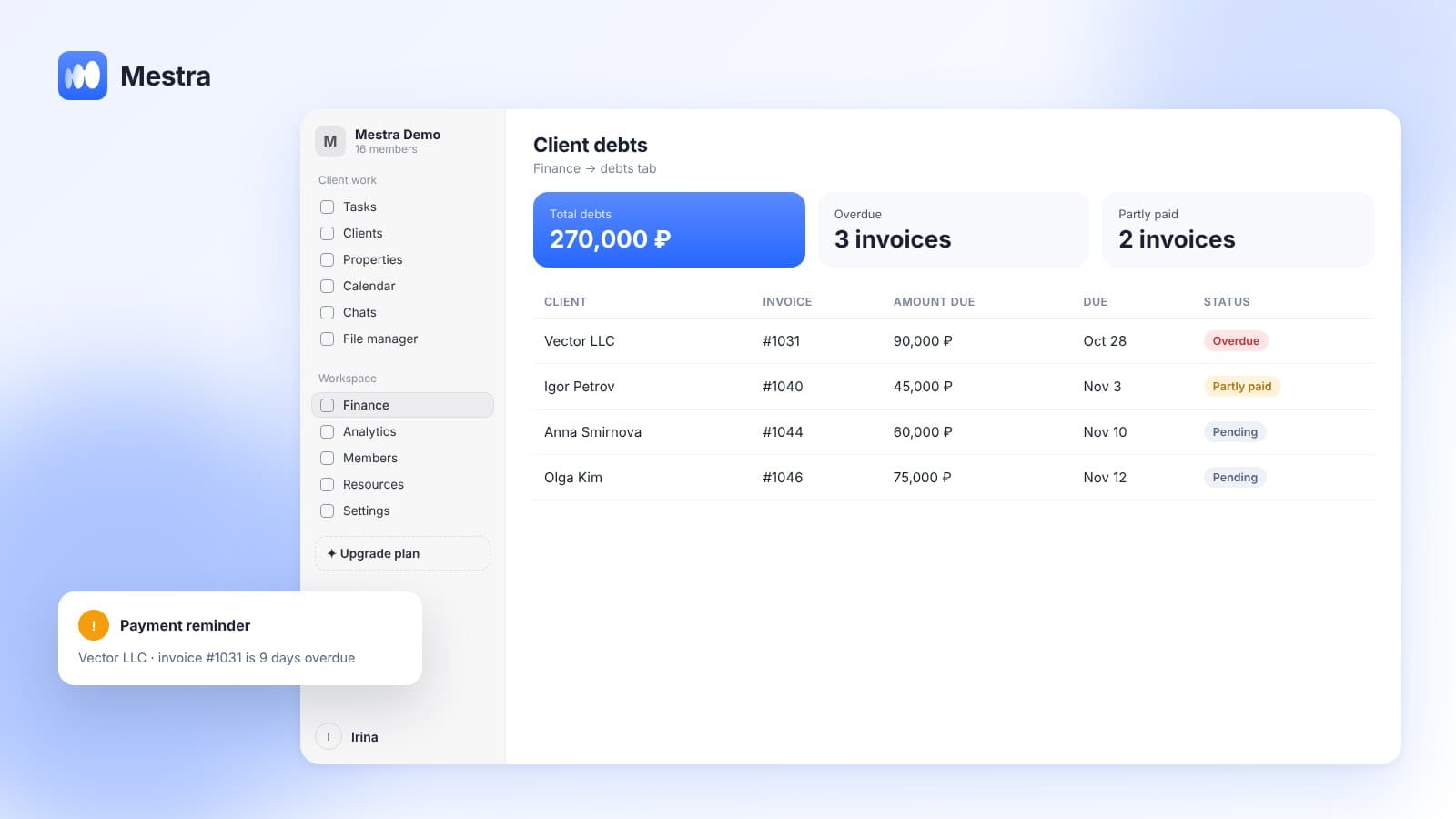
- Debts tab: all unpaid invoices, days overdue and the client's debt right in their card.
- Payment reminders: a "Remind in chat" button and automatic reminders — a day before the deadline, on the day and 3 days after.
- Client debt limit: the system warns you if a client exceeds the permitted amount of debt.
- The full conversation history in the card — you can see what the client was promised and when.
Related reading: client debts in a CRM, reconciliation statement: sample.
FAQ
What payment term should you set?
For new clients — prepayment or 3–5 days. For regular clients — up to 14 days. Long deferrals only for large clients with a good track record.
When should you start sending reminders?
A day before the deadline. A reminder before it's overdue feels like care; after, it feels like a claim.
What if a client hasn't paid for over a month?
Call personally, offer instalments, then send a formal claim. New orders only on prepayment.
Bottom line
Accounts receivable grow quietly and hit your cash at the worst possible moment.
Invoice straight away, send reminders on schedule and assign an owner. In Mestra, invoices, reminders and conversations with the client are all in one card.