How to Find Clients: 10 Ways for B2B, Services and Freelancing
Marketing5 min read
Where and how to find clients: tenders, directories, partners, platforms, referrals, content and direct outreach. How to build a target list and manage every contact.

To find clients, work out which companies or people get the most value from you, build a list of them from open sources, platforms and tenders, and reach out with a personal reason. Then move each contact through stages until it becomes a deal or declines.
Step 1. Ideal client profile
| For B2B | For services to individuals |
|---|---|
| Industry and type of activity | Age, city, district |
| Size: revenue, employees, branches | The problem they're solving |
| Region | Where they search: maps, social media, platforms |
| Signs of need: a new branch, a tender, job openings | What matters: price, speed, quality |
| Who makes the decision | Who pays |
10 ways to find clients
1. Public and commercial procurement. Procurement platforms publish specific needs with budgets and deadlines.
2. Industry directories and listings. Lists of companies by industry and region, associations, professional communities.
3. Maps and location services. Handy for finding local businesses: salons, cafés, clinics, shops.
4. Job vacancies. A company looking for a specialist has a task that is sometimes better outsourced to a contractor.
5. Trade shows and industry events. Face-to-face contact with dozens of target companies in a day.
6. Partners with adjacent services. An interior designer and a furniture factory, an accountant and a lawyer, a web studio and a copywriter.
7. Referrals from current clients. Ask for the contact of a specific person you can help.
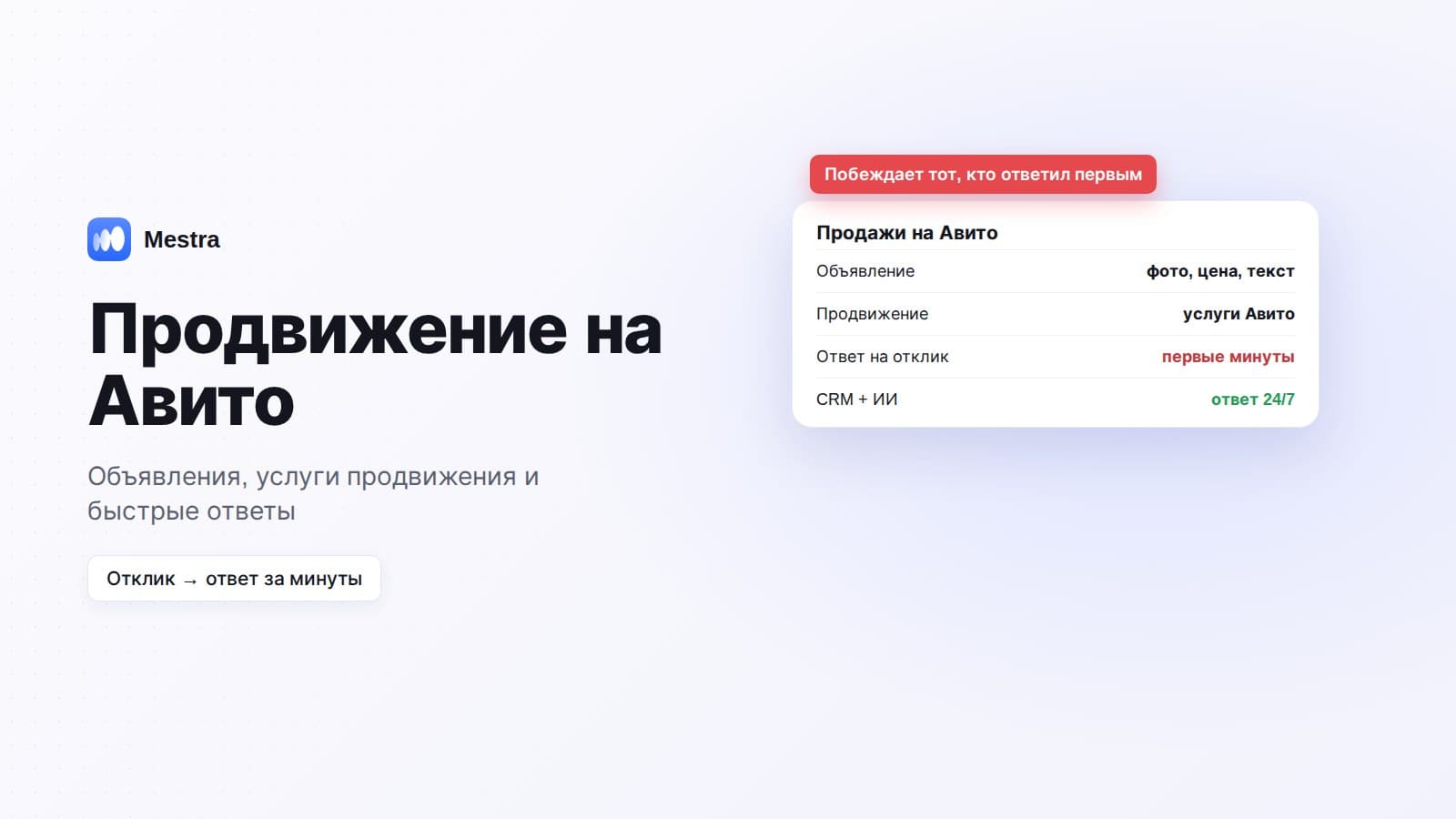
8. Platforms and marketplaces. Freelance exchanges, Avito Services, specialist platforms.
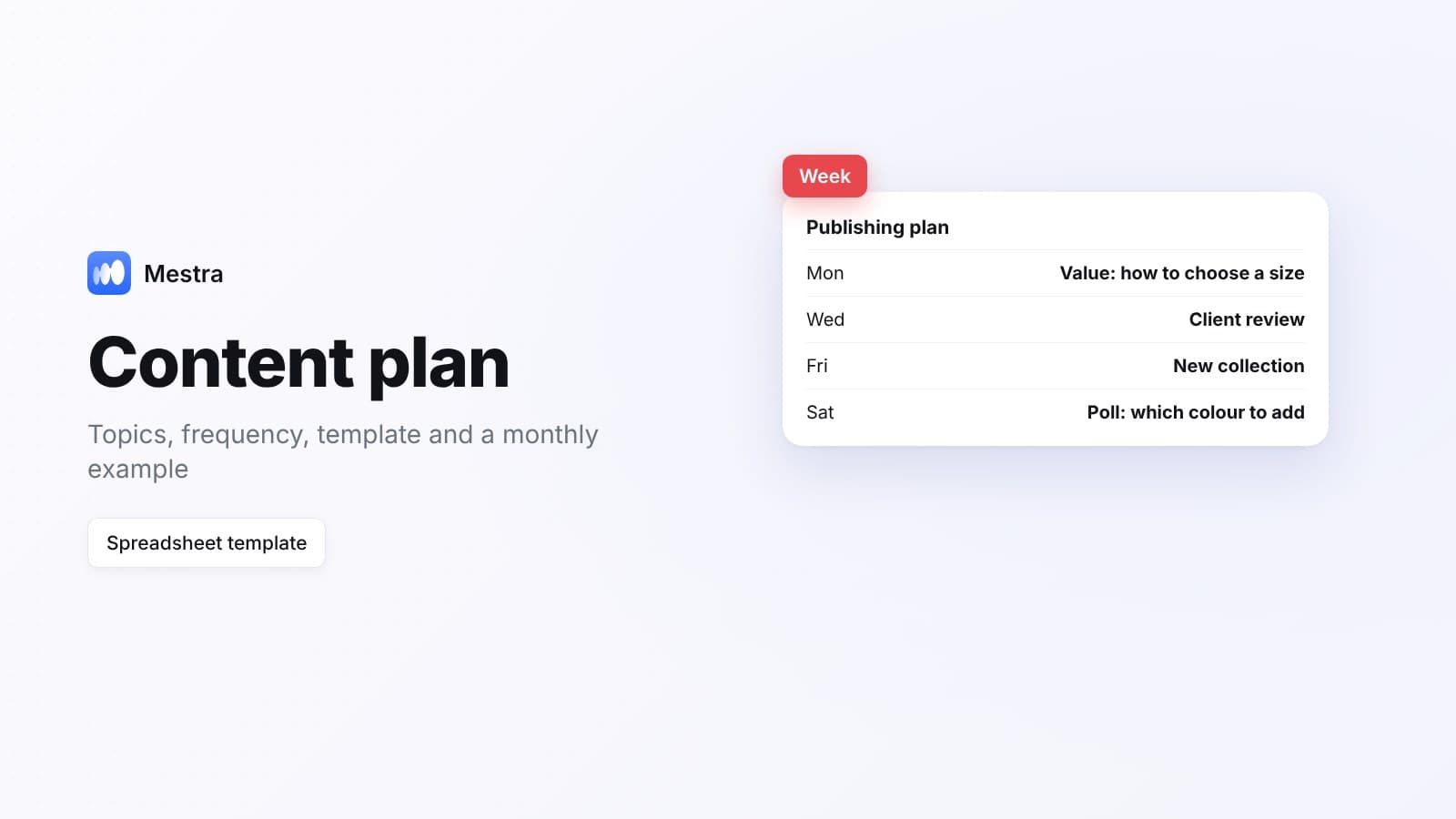
9. Expert content. Articles, case studies, a Telegram channel. Clients come on their own, but the effect builds over months. How to plan posts is covered in content plan.
10. Direct outreach. A call or letter with a personal reason. How to prepare is covered in cold calling.
Step 2. Build the list and check the companies
Gather 50–100 target companies into one database: name, TIN, website, contact, reason to reach out. Before making an offer, check that the company is operating and not going bankrupt — free and in a few minutes using how to check a counterparty.
Step 3. Move contacts through stages
| Stage | What happens |
|---|---|
| Listed | The company is in the database, a reason is found |
| First touch | Letter, call, message |
| Conversation | There's a reply and interest |
| Meeting | Demo, estimate, proposal |
| Deal | Contract and payment |
| Declined | With a reason and a date to come back |
One-minute calculation
100 companies on the list → 25 reply → 10 meetings → 3 deals. Average ticket: 120,000 ₽. One list brings 360,000 ₽ of revenue. To reach 1M ₽ a month you need to work about 280 target companies — a job for a system, not for a spreadsheet in your head.
Common mistakes
- Writing to everyone instead of a target list.
- A template message with no reason and no value for the client.
- One touch and then silence — most deals need several contacts.
- Not recording refusals and reasons: in six months you can come back to the company.
How it works in Mestra
In Mestra, target companies are kept as clients with cards, and the work with them as tasks moving through stages on a kanban board. For each contact you can schedule the next touch with a date and an owner, attach files and record the outcome of a conversation. Meetings go into the calendar with a Google Meet or Yandex Telemost link.

- Loss reasons — recorded when a deal is closed.
- Conversion by stage and by employee — on the analytics dashboard.
- List import via "Settings → Data → Import".
FAQ
Where do I find my first clients?
Among acquaintances and former colleagues, in professional communities, on platforms and through partners. First clients give you reviews and case studies for the next ones.
How does a freelancer find clients?
A portfolio with case studies, profiles on exchanges and platforms, referrals and expert content. Replying to requests quickly is essential.
How many touches does a B2B deal take?
Usually several: a letter, a call, a meeting, a proposal, a reminder. Without a reminder system, most contacts are lost after the first touch.
Can I buy client databases?
Databases of private individuals' contacts collected without their consent risk breaching Russia's personal data law. In B2B it's more reliable to gather open information about companies yourself.
Bottom line
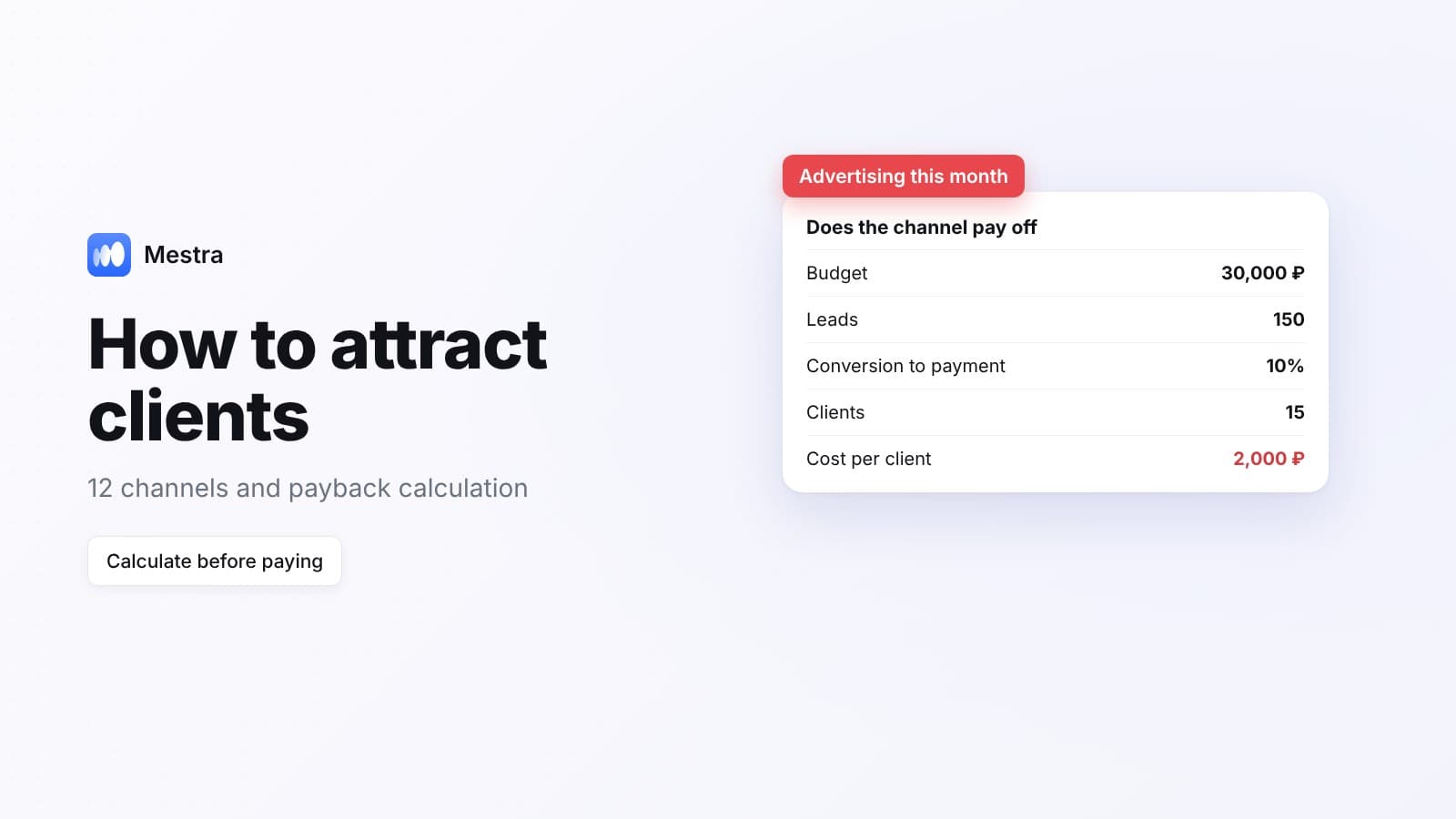
Finding clients is easier when you know who you're looking for: a profile, a target list, a personal reason and several touches. Move each company through stages and record the result — that's how prospecting becomes a predictable flow of deals. B2C channels are covered in how to attract clients.
Mestra — 15 days free, no bank card required: import your list of target companies and move them through stages.
Sources: B2B sales practice; Federal Law No. 152-FZ "On Personal Data"; figures in this article are illustrative.